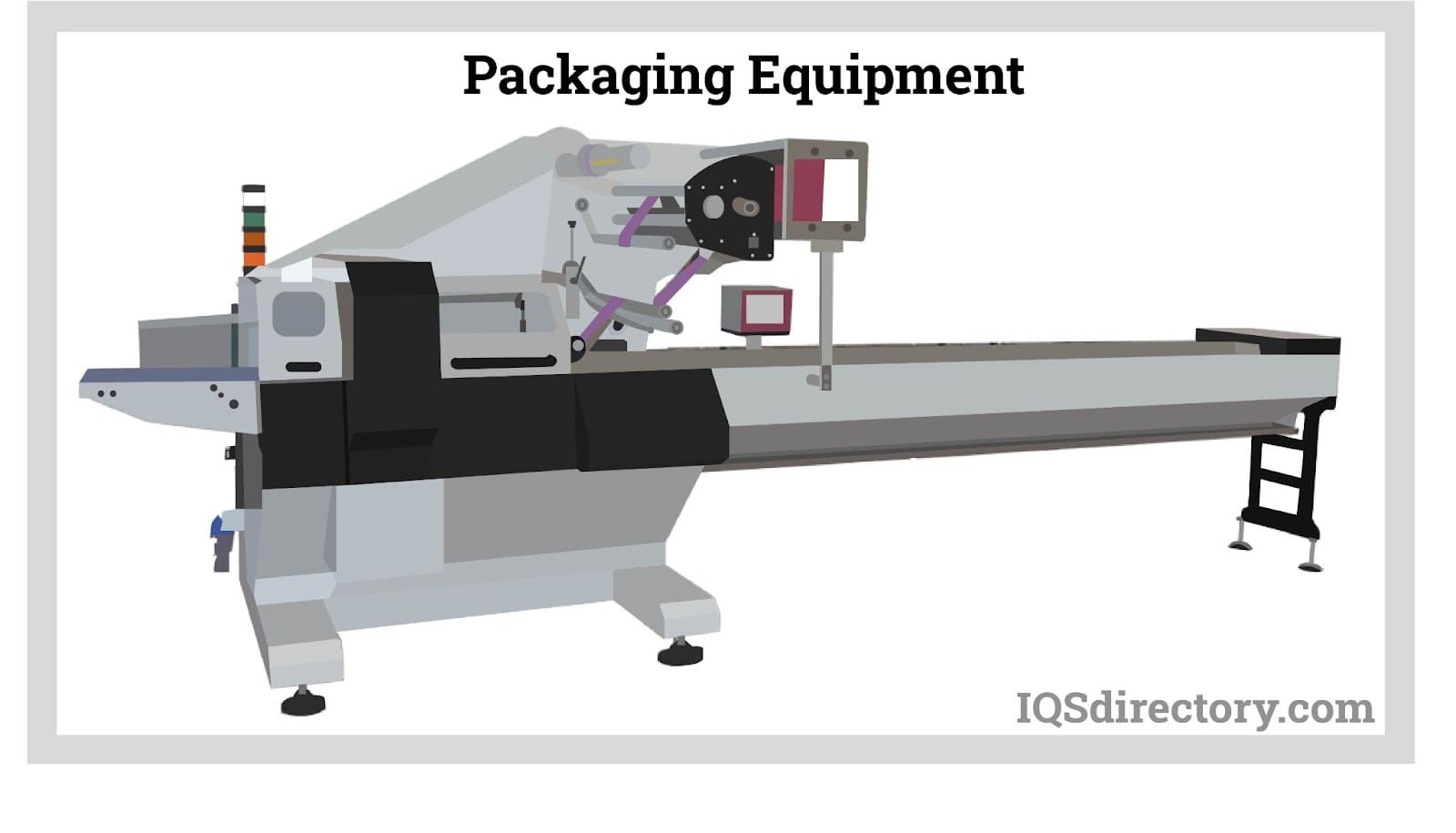
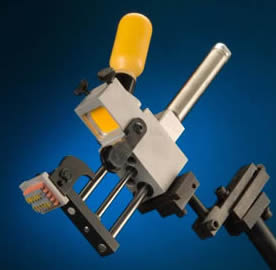
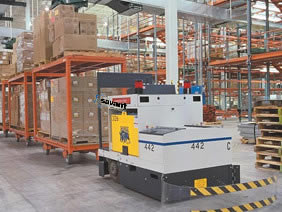
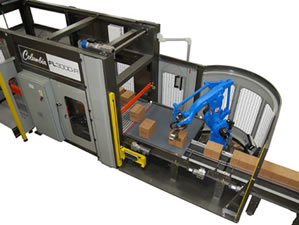
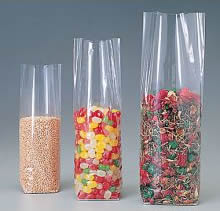
Packaging machinery is used for packaging products. Using packaging machinery can save costs for manufacturers. Packaging machinery can quickly and efficiently pack products that would otherwise need to be packaged manually (which is more expensive and less effective). Read More…
Moller North America is committed to customer satisfaction. Our line of products ranges from bagging, conveying, palletizing, to stretch-hooding, stretchwrapping and shrinkwrapping a variety of products. Contact us today to for all of your packing, palletizing, and protection needs.

American-Newlong is the world's leading manufacturer of automated, open-mouth bag packaging and closing systems and equipment. We offer a wide range of filled bag sewing machines, automatic bag heat sealers, robotic bag palletizers, bag making machines and semi-automated and automated bag packaging equipment that weigh, pack, close, check weigh, distribute, and palletize.
U.S. Packaging & Wrapping LLC. is a National leader in flexible packaging solutions. Find a large variety of packaging machinery for bundling, securing, and protecting products. Learn information about industrial, retail, and food packaging machines. Shop online today or call 1-800-441-5090 for assistance!

At Cleveland Equipment & Machinery Company, we take pride in being a trusted provider of high-quality packaging equipment designed to meet the needs of businesses of all sizes. We specialize in offering a wide range of machinery to streamline packaging processes, from entry-level solutions to advanced equipment for high-volume operations.





More Packaging Machinery Manufacturers
Types of Packaging Machines: Comprehensive Guide for Modern Manufacturing
Packaging machines are essential in today's manufacturing and distribution sectors, offering efficiency, consistency, and speed that far surpass traditional manual labor. Automated packaging machinery plays a critical role in a variety of industries—including food and beverage, pharmaceuticals, cosmetics, electronics, and consumer goods—by ensuring products are securely wrapped, filled, sealed, and labeled. Whether you are searching for entry-level equipment for a small business or industrial-grade automated packaging systems for high-volume operations, understanding the different types of packaging machines and their applications is key to making an informed purchasing decision.
Standard packaging equipment includes shrink wrappers, filling machines, heat sealers, labeling equipment, and bagging machines. Modern packaging lines often integrate several of these technologies to automate end-to-end processes, maximizing throughput and reducing labor costs. For example, vacuum packaging machines remove oxygen from containers before sealing, a process widely used in food packaging to extend shelf life and maintain product freshness. Conveyor belts are integral to most packaging machinery, seamlessly transferring products between different stages of the packaging workflow, from filling and sealing to labeling and palletizing.

Core Types of Packaging Machinery
Selecting the right type of packaging machine for your business depends on your product, production volume, and specific packaging requirements. Explore the most common types of packaging equipment below and see which solutions best fit your operational needs.
Blister Packaging Machines
Blister packaging machines are widely used in the pharmaceutical, nutraceutical, and consumer goods industries. These machines form blister packs—plastic or aluminum cavities that securely hold individual units such as tablets, capsules, or small hardware items. The process involves thermoforming or cold forming a plastic or aluminum film to create pockets, which are then filled and sealed with a lidding material, typically aluminum foil. Blister packs provide tamper-evident, moisture-resistant packaging, making them ideal for sensitive products that require protection from environmental factors.
- Key applications: Pharmaceuticals, medical devices, batteries, consumer electronics, confectionery
- Benefits: Product integrity, unit-dose control, counterfeit prevention, extended shelf life
Carded Packaging Equipment
Carded packaging equipment creates packages where products are attached to a backing card, often encased in a clear plastic shell. There are several types of carded packaging:
- Clamshell packaging: Two molded plastic shells hinged together, offering security and product visibility; ideal for electronics, hardware, and retail goods.
- Skin packaging: A heated plastic film forms closely around the product and adheres to a backing card, providing cost-effective tamper resistance for tools, fasteners, and small consumer items.
- Blister packaging: A pre-formed plastic cavity is heat-sealed to a blister card, commonly used for pharmaceuticals, toys, and batteries.
Carded packaging enhances visual appeal and deters theft while allowing consumers to inspect the product pre-purchase. Automated lines for carded packaging can include die cutting, placement, sealing, and labeling in a single streamlined process.
Cartoning Machines
Cartoning machines, or cartoners, are essential for forming, filling, and sealing cartons (boxes) for a variety of products. They can be divided into horizontal and vertical cartoners, each optimized for different product types and orientations. Cartoning machines automatically take flat carton blanks, erect them into shape, fill them with products (such as bottles, pouches, blister packs, or loose components), and seal the carton using glue or locking tabs. This equipment is a staple in food, pharmaceutical, and consumer goods industries, accommodating single or multi-pack configurations.

- Use cases: Cereal boxes, toothpaste, pharmaceuticals, frozen foods, cosmetics
- Considerations: Carton size flexibility, integration with upstream/downstream equipment, changeover speed
Case Erectors
Case erectors automate the process of forming corrugated cardboard boxes, a critical step in secondary packaging for shipping and distribution. Available in manual, semi-automatic, and fully automatic models, case erectors reduce labor requirements and improve box consistency. Advanced case erectors can integrate with case packers and sealers for a seamless, automated end-of-line solution. These machines are essential for warehouse, logistics, and fulfillment center operations handling high volumes of products.
- Automated features: Robotic arms, programmable logic controllers (PLCs), conveyor integration
- Industries served: E-commerce, food and beverage, automotive, pharmaceuticals, electronics
Vertical Form Fill Seal (VFFS) Machines
Vertical form fill seal machines are versatile automated systems widely used in the food and beverage industry, as well as for chemicals, pet food, and hardware. VFFS machines start with a flat roll of film, which is shaped into a tube, filled with product (liquid, powder, granules, or solids), and sealed—typically in one continuous, high-speed operation. These machines are compatible with a range of packaging materials, including plastic, paper, foil, and laminates, and can produce pillow bags, gusseted bags, and stand-up pouches with integrated zippers or spouts.
- Benefits: High efficiency, reduced material waste, flexible packaging options, excellent for bulk and single-serve products
- Best for: Snacks, coffee, produce, pet food, detergents, candy
Skin Packaging Devices
Skin packaging machines use heated, flexible plastic film to cover products placed on a cardboard substrate, securing them tightly in place by vacuum suction. Unlike blister packs, skin packaging conforms precisely to the product’s contours, reducing movement and enhancing protection during shipping. This approach is cost-effective for small parts, hardware, automotive components, and promotional items, offering both product visibility and tamper evidence.
- Advantages: Economical, customizable, ideal for irregularly shaped items
- Common applications: Tools, fasteners, gaskets, spare parts, retail promotions
Other Essential Packaging Equipment
In addition to the machines above, packaging lines often include specialized equipment such as:
- Filling machines: For precise dosing of liquids, powders, granules, or pastes; available as volumetric, gravity, piston, or auger fillers.
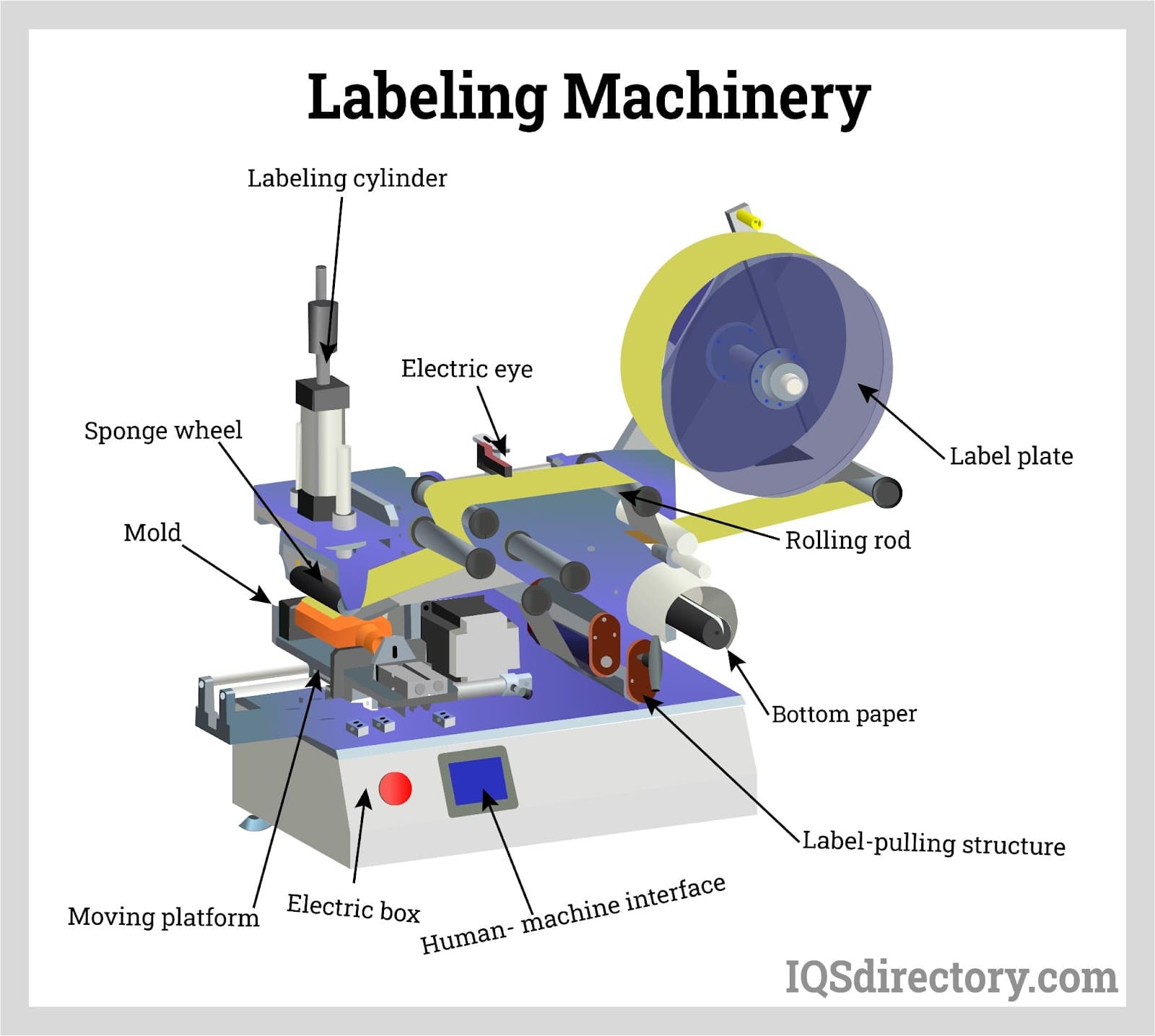
- Labelers: Automatically apply labels or barcodes for product identification, traceability, or branding.
- Heat sealers: For creating airtight seals on bags, pouches, and films.
- Shrink wrappers: Encapsulate products or bundles in shrink film for tamper resistance and improved shelf appeal.
- Palletizers and depalletizers: Automate the stacking or unstacking of finished goods on pallets for shipping.
Are you looking for a complete turnkey packaging line? Contact our specialists to discuss your industry-specific requirements and discover the ideal combination of packaging machinery for your production goals.
Applications of Packaging Machinery: Industry Use Cases
Packaging technology is essential across various industries, handling tasks such as filling, wrapping, sealing, and labeling before products leave the production line. Automated packaging solutions have replaced many repetitive, labor-intensive tasks, improving accuracy, consistency, and output speed. Below are some of the most prominent applications and industry use cases for modern packaging equipment:

- Food and Beverage Packaging: Packaging machines handle everything from bottling beverages and bagging snacks to vacuum-sealing meats and packaging dairy or bakery products. Speed, hygiene, and shelf-life extension are top priorities.
- Pharmaceutical and Medical Packaging: Blister packers, strip packers, and aseptic filling lines ensure precise dosing, sterile packaging, and traceability for tablets, capsules, syringes, and medical devices.
- Cosmetic and Personal Care: Filling and capping machines package creams, lotions, makeup, and toiletries in bottles, tubes, or jars, often with tamper-evident seals and attractive labeling.
- Electronics and Industrial Goods: Sensitive components require anti-static, moisture-resistant, or ESD-safe packaging, typically automated for high throughput and accuracy.
- Household and Chemical Products: Detergents, cleaning agents, and automotive fluids are packaged using filling, capping, and labeling machines, prioritizing leak prevention and child safety.
- Logistics and E-commerce Fulfillment: Automated bagging, case erecting, and palletizing machines streamline order fulfillment, reduce shipping errors, and accelerate delivery.
Curious about which packaging machinery suits your specific industry?
Request a tailored consultation or explore our in-depth industry guides for sector-specific insights and machine recommendations.
Benefits of Packaging Machinery: Why Upgrade to Automation?
Integrating advanced packaging automation into your production line delivers significant competitive advantages. Below are some of the top benefits of adopting modern packaging machinery:
- Increased Productivity: Automated packaging equipment operates at high speeds, consistently outpacing manual labor and enabling manufacturers to scale production to meet demand.
- Labor Cost Savings: Reducing manual intervention lowers workforce requirements, decreases labor costs, and minimizes human error or repetitive strain injuries.
- Consistent Quality and Compliance: Machines deliver repeatable accuracy in filling, sealing, and labeling, ensuring every package meets quality standards and regulatory requirements.
- Improved Hygiene and Safety: Automated systems, especially in food and pharma, minimize human contact, reducing contamination risks and improving workplace safety.
- Material Efficiency: Precision in cutting, forming, and sealing reduces material waste, which lowers costs and supports sustainability goals.
- Flexibility and Customization: Modern packaging machines offer rapid changeovers, accommodating multiple product formats and sizes for greater market responsiveness.
- Enhanced Traceability: Integration with labeling, coding, and tracking systems ensures full product traceability for recalls, regulatory compliance, and supply chain management.
- Brand Differentiation: Attractive packaging made possible by advanced machinery helps products stand out on retail shelves and strengthens brand perception.
Wondering how packaging automation can transform your operations?
Schedule a demo or request a cost-benefit analysis to see the ROI of investing in packaging machinery tailored to your business.
Choosing the Right Packaging Machinery Manufacturer: Key Decision Factors
Selecting a packaging machinery supplier is a critical investment decision that impacts production efficiency, product quality, and long-term profitability. Here are the most important factors to consider when evaluating packaging machinery manufacturers and suppliers:
- Industry Experience: Look for manufacturers with proven expertise in your sector—whether food, pharma, cosmetics, or industrial—to ensure equipment meets specific regulatory and operational needs.
- Customization Capability: Can the supplier adapt machinery to your unique product sizes, packaging designs, or workflow? Custom engineering may be needed for specialized applications.
- After-Sales Support: Assess the quality of technical support, training, spare parts availability, and service agreements. Reliable after-sales support maximizes equipment uptime.
- Integration and Automation: Seek partners who can integrate machines into your existing lines, including conveyor systems, robotics, and data tracking for Industry 4.0 compatibility.
- Certifications and Compliance: Ensure machines comply with relevant standards (e.g., FDA, GMP, CE, ISO) for your industry and region.
- References and Reputation: Review customer testimonials, case studies, and industry awards to gauge a manufacturer’s track record and reliability.
- Cost and ROI: Analyze total cost of ownership—including purchase price, maintenance, energy use, and productivity gains—rather than focusing solely on upfront costs.
How do you compare packaging machinery suppliers?
Use our comprehensive directory of packaging machinery manufacturers to evaluate experience, capabilities, and customer feedback. Each business profile includes areas of expertise, product offerings, and a direct contact form for more information or to request a quote.
Our patented website previewer enables you to quickly assess each manufacturer’s specialization without leaving our platform. When ready, submit a single RFQ (Request for Quote) form to contact multiple suppliers at once, streamlining your vendor selection process.
Ready to take the next step? Connect with our industry experts for personalized guidance on choosing, integrating, and optimizing packaging machinery for your business.
Frequently Asked Questions: Packaging Machinery Selection and Implementation
- What is the difference between primary, secondary, and tertiary packaging machines?
Primary packaging machines directly enclose the product (e.g., blister packers, bottle fillers); secondary packaging machines group primary packages for shipping (e.g., case erectors, cartoners); tertiary packaging machines prepare secondary packages for bulk transport (e.g., palletizers, stretch wrappers). - How do I determine the right level of automation for my packaging line?
Consider production volume, labor availability, growth projections, and product complexity. Semi-automatic machines offer flexibility for small batches, while fully automated lines maximize throughput for high-volume operations. - Can packaging machines be integrated with existing manufacturing systems?
Yes, most modern packaging equipment is designed for modular integration with upstream and downstream processes, including ERP, MES, and warehouse management systems for complete end-to-end automation. - What are common maintenance requirements for packaging machinery?
Routine maintenance includes cleaning, lubrication, replacing wear parts, software updates, and regular safety checks. Many manufacturers offer preventive maintenance programs to minimize downtime and extend equipment lifespan. - How can I ensure my packaging process meets regulatory standards?
Work with machinery suppliers who understand your industry’s compliance requirements (e.g., FDA, GMP, CE, ISO) and provide documentation, validation, and training to support audits and inspections.
Get Started: Explore, Compare, and Invest in Packaging Machinery
Whether you are upgrading an existing facility or launching a new production line, investing in the right packaging machines can accelerate business growth, ensure product quality, and enhance your brand’s market position. Use our platform to:
- Browse a curated selection of top packaging machinery manufacturers and suppliers.
- Access detailed product guides and application case studies for various industries.
- Compare features, options, and pricing across multiple vendors.
- Request personalized quotes and technical consultations from leading experts.
- Stay informed about the latest trends in packaging automation, sustainability, and digital integration.
Still have questions about packaging machinery or automation solutions?
Contact our team for expert advice, product demonstrations, and end-to-end support for your next packaging project.
Optimize your packaging process today and gain a competitive edge—explore the best packaging machinery solutions for your business now!